East Africa Safaris
East Africa Safaris: East Africa is often called the birthplace of the safari, and for good reason. Nowhere else on Earth combines such vast wilderness, dramatic landscapes, and extraordinary wildlife in quite the same way. Spanning countries like Kenya, Tanzania, Uganda, and Rwanda, East Africa offers safari experiences that feel timeless, where the rhythms of nature still dictate the day and the horizon seems to stretch forever.
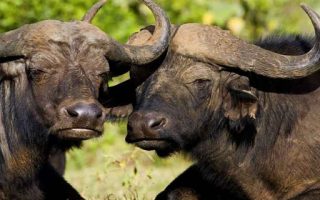
At the heart of East Africa’s safari appeal is its wildlife density and diversity. The region is home to the iconic “Big Five,” which include the lion, leopard, elephant, buffalo, and rhinoceros. But safaris here are not just about ticking animals off a list. You might watch a cheetah sprint across the savannah, a herd of elephants silently crossing your path at dusk, or giraffes browsing acacia trees against a blazing sunset. Each encounter feels intimate and unpredictable, reminding visitors that they are guests in a wild world.
Perhaps the most famous safari spectacle in East Africa is the Great Migration. Every year, over a million wildebeest, joined by hundreds of thousands of zebras and gazelles, move in a massive circular journey between Tanzania’s Serengeti National Park and Kenya’s Maasai Mara Reserve. Driven by rain and fresh grazing, the migration includes dramatic river crossings where crocodiles lie in wait. Witnessing this event is often described as one of the greatest natural shows on the planet, and it alone draws travelers from across the globe.
East Africa’s landscapes are as varied as its wildlife. In Kenya’s Maasai Mara, rolling grasslands provide classic safari scenery, while Tanzania’s Ngorongoro Crater offers a unique ecosystem contained within a volcanic caldera. Amboseli National Park is famous for its elephant herds set against the snow-capped peak of Mount Kilimanjaro, Africa’s highest mountain. Further west, Uganda and Rwanda introduce a different kind of safari altogether-dense rainforests where mist hangs in the air and mountain gorillas roam.
Gorilla trekking is one of East Africa’s most powerful wildlife experiences. In places like Bwindi Impenetrable Forest in Uganda or Volcanoes National Park in Rwanda, visitors hike through thick vegetation to spend a precious hour observing a gorilla family in its natural habitat. The experience is physically demanding and emotionally profound, offering a rare connection with one of humanity’s closest relatives.
Safaris in East Africa are not limited to traditional game drives. Many parks offer walking safaris led by experienced guides, allowing travelers to learn about animal tracks, plants, and smaller wildlife animals often overlooked from a vehicle. Hot air balloon safaris, particularly in the Serengeti and Maasai Mara, provide a breathtaking aerial perspective as the sun rises over the plains and wildlife moves below in near silence. Cultural visits to local communities, such as the Maasai, add another layer of depth by connecting travelers to the human history of the land.
Conservation plays a central role in East African safaris. National parks, private conservancies, and community-led initiatives work together to protect wildlife while supporting local livelihoods. Responsible tourism helps fund anti-poaching efforts, habitat preservation, and education programs. Many lodges and camps emphasize sustainability, using solar power, minimizing waste, and employing people from nearby communities.
Whether staying in a luxury tented camp, a rustic lodge, or a mobile safari setup, accommodations in East Africa are designed to immerse guests in nature. Falling asleep to the distant roar of a lion or waking to the calls of birds is part of the experience. Comfort is balanced with authenticity, ensuring that the wild remains the star of the journey.
A safari in East Africa is more than a vacation; it is an encounter with nature at its most raw and beautiful. It invites travelers to slow down, observe, and reconnect with a world that exists beyond modern routines. Long after the dust has settled and the journey ends, the memories of East Africa’s wild spaces linger, calling visitors back to the savannah once more.