Kenya National Parks
Kenya National Parks: Guardians of Africa’s Natural Heritage. Kenya’s national parks are among the world’s most acclaimed conservation regions, known for their magnificent scenery, diverse wildlife, and cultural significance. Kenya, located in East Africa, is at the crossroads of a variety of habitats, including savannahs and wetlands, woodlands, deserts, and alpine zones. The country’s national parks and reserves play an important role in safeguarding this natural treasure while also promoting tourism, scientific research, and local economies. Together, they form the foundation of Kenya’s reputation as a top wildlife destination.
Nairobi National Park is one of Kenya’s most well-known parks in the world, and it is the only one located within a major city. A short drive from Nairobi’s core business center, tourists may view rhinos, lions, giraffes, and buffalo wandering freely against a spectacular skyscraper background. Established in 1946, the park is also an important habitat for the endangered black rhinoceros. Nairobi National Park exemplifies Kenya’s dedication to conservation despite rising urbanization and displays how wildlife and contemporary life can coexist.
The Maasai Mara National Reserve, while legally a reserve rather than a national park, is one of Kenya’s most well-known parks. It is famous worldwide for the Great Wildebeest Migration, one of the Seven Natural Wonders of the World. Every year, millions of wildebeest, zebras, and gazelles migrate from Tanzania’s Serengeti to the Maasai Mara in search of new grazing grounds, braving crocodile-infested waterways along the route. The reserve also has the “Big Five”: lion, elephant, buffalo, leopard, and rhinoceros. Beyond animals, the Maasai Mara is inextricably linked to Maasai culture, providing a strong human dimension to the conservation tale.
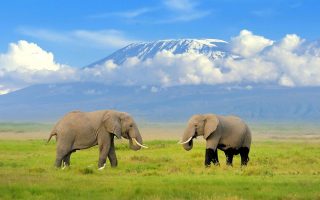
Amboseli National Park in central Kenya is home to some of Africa’s most famous photographic locations. Amboseli, which is dominated by the snow-capped summit of Mount Kilimanjaro in Tanzania, is well-known for its sizable elephant herds, many of which have remarkably long tusks. Even in dry seasons, wildlife is supported by the park’s wetlands, which are supplied by underground rivers from Kilimanjaro. Amboseli National Park is one of the most important parks for science in the area since it is essential to elephant conservation and study.
Going north, the Tsavo East and Tsavo West National Parks together make up one of Kenya’s biggest protected areas. Tsavo is renowned for its abundant biodiversity, expansive open areas, and untamed beauty. While Tsavo West has striking volcanic scenery, lava flows, and the pristine Mzima Springs, Tsavo East is known for its flat plains, the Galana River, and red-dust-covered elephants. Because certain parks are less crowded than others, visitors can enjoy a sense of seclusion and wildness that is becoming more and more uncommon.
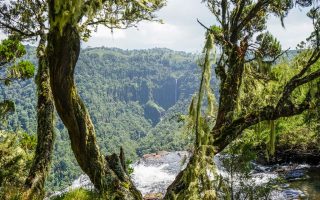
Kenyan national parks are not restricted to savannah habitats. Mount Kenya National Park is a UNESCO World Heritage Site that preserves Africa’s second-highest peak. The park’s biological zones range from dense montane forests to bamboo belts, alpine moorlands, and glacier peaks. It is an important water catchment area, feeding rivers that serve agricultural and human populations throughout the country. Mount Kenya is also culturally significant, since some Kenyan groups consider it a sacred mountain.
Watamu Marine National Park and Malindi Marine National Park, located along Kenya’s coast, highlight the country’s diverse marine ecosystem. These protected areas safeguard coral reefs, mangrove forests, and seagrass beds, which provide habitat for turtles, dolphins, colorful fish, and other marine animals. Marine parks are becoming increasingly significant in conservation, conserving habitats susceptible to climate change, pollution, and overfishing while encouraging sustainable tourism and community engagement.
Kenya’s national parks face significant issues. Human-animal conflict, poaching, habitat degradation, and climate change endanger both wildlife and local communities. Expanding human populations and agricultural land can encroach on historic wildlife corridors, causing conflict between humans and animals. In response, Kenya has invested in community-based conservation projects that include residents in wildlife preservation, ensuring that they profit directly from tourism and conservation efforts.
Tourism is still one of the major benefits of Kenya’s national parks. Every year, millions of people from all over the world come to enjoy wildlife drives, bird viewing, mountain climbing, and cultural experiences. Tourism revenue helps to fund conservation initiatives, infrastructure development, and job creation, making national parks an important part of Kenya’s economy. However, sustainable tourist practices are required to protect these natural assets for future generations.
Kenya’s national parks are much more than tourist attractions; they are critical ecosystems, cultural icons, and symbols of national pride. These protected areas, ranging from the plains of the Maasai Mara to the summits of Mount Kenya and the coral reefs of the Indian Ocean, highlight Kenya’s incredible natural variety. Kenya’s national parks will continue to be a beacon of animal preservation and natural beauty for future generations thanks to ongoing conservation, community participation, and responsible tourism.