Rwanda National Parks
Rwanda National Parks: Guardians of Biodiversity and Symbols of Renewal. Rwanda, often known as the “Land of a Thousand Hills,” is home to an impressive network of national parks that safeguard some of Africa’s most varied ecosystems. Despite being one of the continent’s smallest countries, Rwanda has made significant investments in conservation, ecotourism, and community participation. Its four national parks—Volcanoes, Nyungwe, Akagera, and Gishwati-Mukura—tell a compelling tale about ecological resilience, wildlife recovery, and sustainable development.
Volcanoes National Park, located in northwest Rwanda, is the country’s most well-known protected region. It is part of the greater Virunga Massif, a volcanic mountain range shared by Uganda and the Democratic Republic of the Congo. The park is world-famous for its population of endangered mountain gorillas. Gorilla trekking in Volcanoes National Park is one of the world’s most popular wildlife excursions, giving tourists a unique opportunity to view these gentle monkeys in their natural environment.
Beyond mountain gorillas, Rwanda’s Volcanoes National Park is home to golden monkeys, forest elephants, and over 200 bird species. The park is also historically significant as the research location of primatologist Dian Fossey, whose work was vital in gorilla conservation.
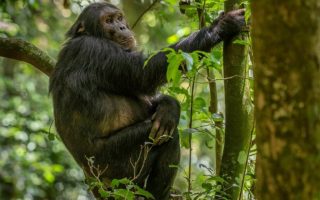
Nyungwe Forest National Park, located in the southwest, is one of Africa’s oldest and most ecologically diverse montane forests. Nyungwe, with its huge hills and valleys, is a biodiversity hotspot, particularly for primates. It protects 13 primate species, including chimps, colobus monkeys, and L’Hoest’s monkeys.
The park is also a birdwatcher’s delight, with over 300 species, many of which are native to the Albertine Rift. One of Nyungwe’s most famous attractions is the canopy walkway, which is suspended high above the forest floor and provides stunning vistas and a unique perspective on rainforest life. The Nyungwe forest is an important water conservation site because it serves as a watershed for the region’s major river systems.
To the east, Akagera National Park is a stark contrast to Rwanda’s wooded terrain. Akagera, the country’s sole savannah park, is known for its savannahs, marshes, lakes, and rolling plains. Akagera, which was formerly badly damaged by poaching and human encroachment, has seen a remarkable change because of good management and public-private collaborations. Today, it is home to the “Big Five”—lions, leopards, elephants, buffalo, and rhinoceros—making it East Africa’s finest safari destination. The park also has giraffes, zebras, hippos, crocodiles, and hundreds of bird species. Akagera’s resurgence demonstrates how good conservation measures may restore ecosystems and animal populations.
Gishwati-Mukura National Park, which was constructed from two previously fragmented woods in Rwanda’s northwest, is the country’s newest protected area. Despite being smaller than the other parks, Gishwati-Mukura is biologically significant. It preserves unique and endangered animals, including chimps, golden monkeys, and several bird species.
The park was created to prevent deforestation, minimize human-wildlife conflict, and repair damaged environments. Its establishment illustrates Rwanda’s forward-thinking conservation policy, which prioritizes forest regeneration, climate resilience, and community livelihoods.
Rwanda’s national parks are distinguished by their excellent combination of conservation and community development. Tourism revenue is distributed to local communities, which use it to support schools, health facilities, and infrastructure projects. This concept ensures that people who live near parks perceive real benefits from conservation, lowering strain on natural resources and encouraging long-term management.
Rwanda’s national parks are more than just tourist attractions; they are living examples of the country’s dedication to environmental conservation and sustainable development. Through careful management, scientific study, and community interaction, Rwanda has demonstrated that conservation can survive even in a heavily populated country. Together, these parks safeguard irreplaceable natural heritage while providing tourists with unparalleled interactions with Africa’s species and scenery.